


News Center
Recommending Products
Contact: Mr. Jin
Tel: 13901575780
0512-52428686
Contact: Mr. Zha
Tel: 13913639797
0512-52422071
Address: No. 59, Huyi Road, Liantang, Shanghu Town, Changshu City, Jiangsu Province.
What should be noted when using tungsten steel pipe cutting saw blades
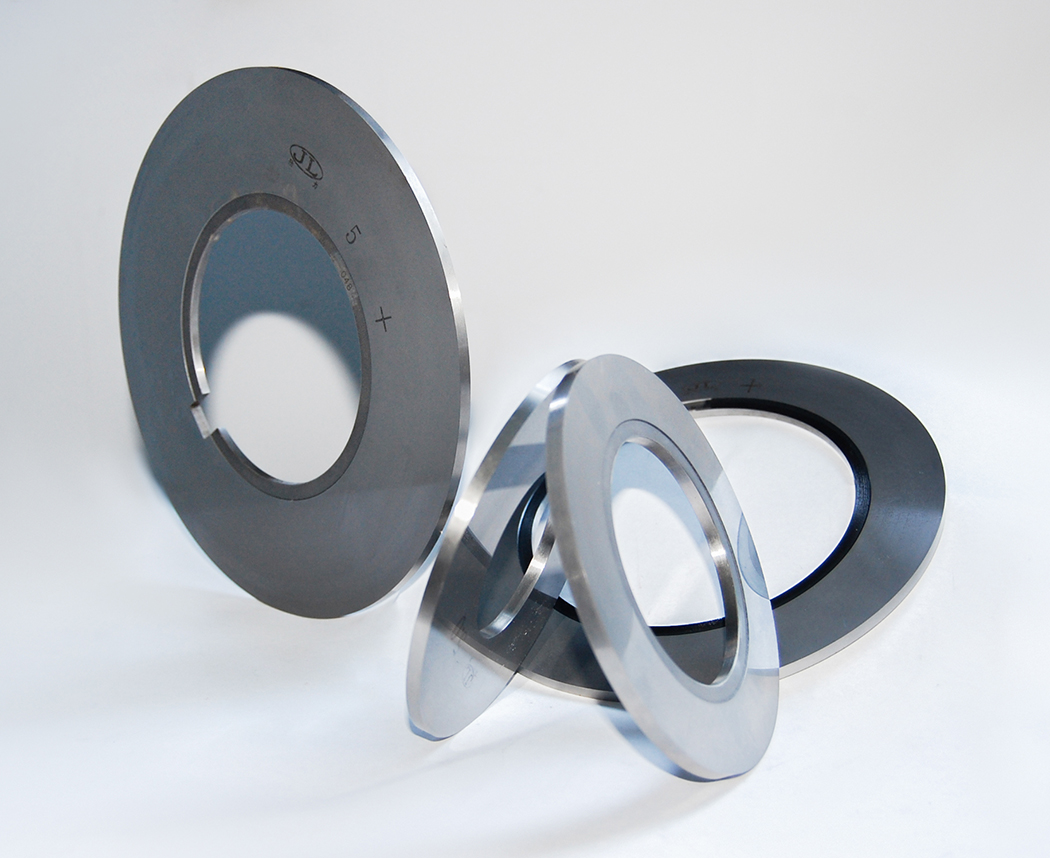
Applicable: steel pipes, stainless steel pipes, copper pipes, aluminum pipes, profiles, commonly used in pipe cutting machines and metal circular saw machines; Distinguish between cold saw blades (low-speed wet cutting) and high-speed dry cutting saw blades, and prioritize cold cutting for the vast majority of pipe cutting.Sources:www.cssjlgj.com | PublishDate:2026.08.03
1、 Pre installation inspection
1. Selection and matching of saw blades (of utmost importance)
The material of the pipe determines the tooth profile and tooth pitch: thin-walled pipes use fine teeth; Coarse teeth are used for thick walled pipes and solid materials; Stainless steel priority negative front angle tooth type; Aluminum tubes are equipped with large front corners and wide chip removal grooves.
The smaller the pipe diameter, the denser the number of teeth; Increase the tooth pitch of large-diameter thick pipes to prevent chip blockage and tooth breakage.
It is strictly prohibited to use woodworking tungsten steel saw blades to cut metal, as the material and angle are completely mismatched and the blade may break instantly.
2. Appearance inspection
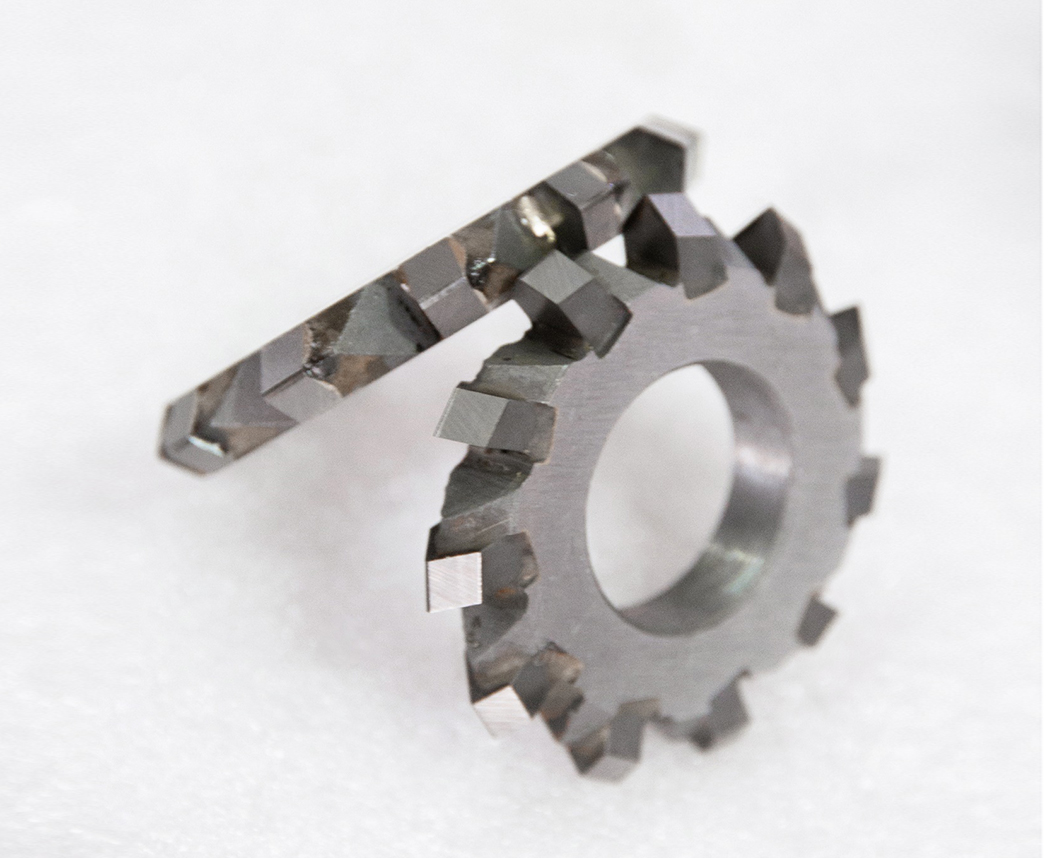
Check the blade for any gaps, cracks, or solder joints; The substrate is directly scrapped due to deformation and warping.
3. Flange requirements
The diameter of the flanges on both sides should be consistent, at least one-third of the outer diameter of the saw blade; The flange surface is flat and free of burrs.
Clean the rust and aluminum shavings on the contact surface of the spindle and flange to prevent the saw blade from tilting after clamping.
Moderate locking force: if the saw blade is too loose, it will shake and shake the teeth; Excessive compression of the substrate causes deformation.
4. Rotation direction
Rotate strictly according to the arrow mark on the saw blade, and run in reverse to directly break the hard alloy blade head.
2、 Cutting process parameters (the stage where the saw blade is most prone to wear and tear)
1. Speed control
Stainless steel and carbon steel cold saw: low speed; Aluminum and copper can increase the rotational speed appropriately.
Do Not Exceed Speed Limit! If the speed is too high and the blade is annealed at high temperature, the hardness of tungsten steel will rapidly decrease and wear out.
2. Feed rate
Uniform and slow feed;
Do not forcefully press or forcefully push forward: it is extremely prone to tooth breakage and knife burning;
Do not stop the knife and continuously rub in the middle of the workpiece (causing high temperature and softening of hard alloy).
3. Cooling and lubrication (core!)
Carbon steel and stainless steel pipes must be thoroughly sprayed with cutting fluid; Function: To cool down, lubricate, wash away iron filings, and prevent blade buildup (sticking).
Aim the cooling oil at the cutting bite position, do not just spray on the surface.
Dry cutting is only suitable for some aluminum materials and thin-walled profiles; Stainless steel and iron pipes are not recommended for long-term dry cutting.
High temperature is the first killer of tungsten steel saw blades: once the blade head turns red, the crystal structure of tungsten steel is damaged and the wear resistance is lost.
3、 Requirements for pipe clamping
The pipe fittings must be clamped tightly without shaking or vibration; The vibration of the pipe can cause repeated sawtooth impacts, resulting in tooth breakage.
It is recommended to add inner lining support for thin-walled circular pipes to prevent pipe flattening and vibration during cutting.
To avoid the risk of short material clamping length and workpiece flying out (safety hazard).
Two pipes cannot be overlapped and cut, as uneven force may cause tooth breakage.
4、 Taboos during the operation process
Start the machine by idling for 3-5 seconds, observe that the saw blade does not swing or make any abnormal noise before feeding.
The cutting personnel should avoid the cutting direction of the saw blade to prevent debris and broken teeth from splashing.
The saw blade has not completely stopped rotating, and it is forbidden to reach out to clean the iron filings.
When the incision is about to be cut, reduce the feed pressure to prevent the workpiece from tearing and pulling the saw teeth.
Do not idle for a long time to rub against the air, as it heats up quickly without load.
5、 Daily maintenance and storage
1. Clean up the sticky debris in a timely manner
The sharp increase in cutting resistance caused by serrated iron nodules and chip accumulation can lead to tooth breakage. Special tools can be used to carefully clean it, and violent tapping of the blade is prohibited.
2. Regularly check for deviation
Sudden increase in vibration and burrs on the cut, check if the saw blade is deformed or if the flange is slipping.
3. Grinding specifications
After the tungsten steel saw blade wears out, it must be professionally polished with a diamond grinding wheel. Ordinary grinding wheels cannot grind hard alloys; After multiple rounds of grinding, the substrate becomes thinner to the limit and needs to be scrapped.
Despite severe wear and tear, there is still room for improvement: poor incision and high risk of tooth breakage and splashing.
4. Storage
Vertically hang and store, do not stack horizontally under heavy pressure that may cause deformation of the substrate; Avoid bumping the hard alloy blade.