


News Center
Recommending Products
Contact: Mr. Jin
Tel: 13901575780
0512-52428686
Contact: Mr. Zha
Tel: 13913639797
0512-52422071
Address: No. 59, Huyi Road, Liantang, Shanghu Town, Changshu City, Jiangsu Province.
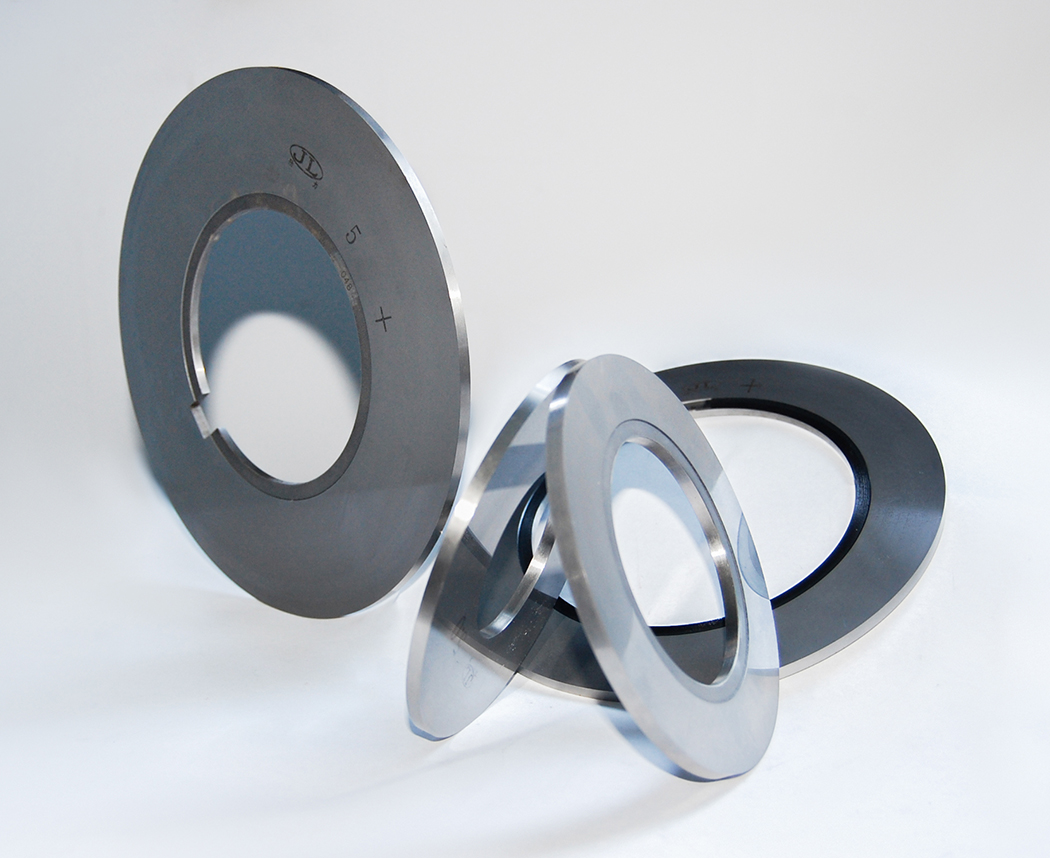
What issues should be noted during the daily maintenance of high-speed steel V3 saw blade milling cu
V3 belongs to high vanadium high-performance high-speed steel, with a hardness of HRC63~66 and strong wear resistance. However, it is prone to annealing at high temperatures, has a thin and easily deformed substrate, is resistant to collision with high vanadium carbides, and has weaker rust prevention than stainless steel. It maintains core temperature control, prevents deformation, prevents tooth breakage, rust prevention, and standardized grinding.Sources:www.cssjlgj.com | PublishDate:2026.06.29
1、 Pre installation inspection and maintenance (to prevent congenital injuries)
1. Full inspection of appearance
Wear oil-free gloves to take it, visually inspect the tooth tips, roots, inner holes, and substrate for any broken teeth, microcracks, warping, bumps, dents, or rust spots; If there are cracks, they should be scrapped directly and not allowed to be used on the machine.
2. Installation and cleaning
The flange, saw blade inner hole, and fitting surface must be cleaned of iron filings and oil stains; Impurities can cause misalignment, unilateral force, and are prone to tooth breakage and saw blade deformation at high speeds.
3. Direction and clamping
Strictly align the saw blade rotation arrow; Flange diameter ≥ 1/3 of the saw blade outer diameter, evenly locked, and unilateral sudden twisting is prohibited; Knife swing control ≤ 0.01mm, if the runout exceeds the standard, it should be corrected before cutting.
4. Idle preheating test machine
After clamping, idle for 30 seconds and listen to the sound evenly without any abnormal noise or shaking; The new knife/sharpening knife should be lightly cut and run in at low speed first, without directly processing at full load.
5. Prohibit overspeed and overload
Although V3 has good hardness, it will continue to accumulate heat and soften the cutting edge after long-term exceeding the rated speed; Cutting depth should not exceed 1/3 of the tooth height to prevent forced feeding and violent impact on the workpiece.
2、 Real time maintenance of cutting process (reducing irreversible losses)
1. Mandatory sufficient cooling and strict control of cutting temperature (V3 is the most critical)
High vanadium high-speed steel is susceptible to high-temperature tempering softening: sufficient cutting fluid must be poured into the tooth and inner hole during cutting to ensure continuous cooling of the tooth groove; Long term dry cutting is prohibited.
Processing stainless steel and high-temperature alloys: increase cooling flow to prevent tool sticking and chip accumulation;
Insufficient cooling can cause tooth tip tempering, a significant decrease in hardness, and a doubling of wear rate.
2. Timely chip removal and cleaning of tooth groove debris
If iron chips get stuck in the chip groove, it will cause secondary cutting, extrusion and tooth breakage; Stop the machine for 1-2 hours of continuous processing, clean the tooth groove with a copper brush/compressed air, and strictly prohibit scratching the blade edge with a steel wire brush (scratching the blade surface accelerates wear).
3. Avoid impact and vibration conditions
Intermittent milling, sand inclusion in castings, welds, and hard oxide scales must be reduced in speed and feed rate; Vibration can cause fatigue cracks at the tooth root, and V3 has limited hardness and toughness, making it prone to tooth loss during impact.
4. Immediate shutdown in case of abnormality
If there is a sharp noise, severe shaking, sudden increase in burrs on the workpiece, and drawing of the processing surface, immediately stop the machine for troubleshooting: saw blade deviation, blade wear, insufficient cooling, and workpiece not clamped properly.
3、 Cleaning and rust prevention maintenance after processing (key points of V3 rust prevention shortcomings)
1. Clean immediately
Stop the machine and clean all iron filings, cutting fluid residue, and workpiece adhesion materials while they are still hot; Key cleaning should be carried out for tooth roots and blind spots in inner holes. Residual emulsion, salt water, and hand sweat are prone to rust and pitting corrosion on high vanadium substrates.
Stubborn debris should be soaked in a specialized weak alkaline tool cleaning solution, and strong acid and alkali immersion is prohibited.
2. Completely dry and then rust proof
After rinsing the cutting fluid with clean water and blowing it dry with compressed air, there is no residual moisture; Thin coated with specialized anti rust oil for cutting tools, evenly covering the tooth tips and inner holes to isolate moisture.
3. It is prohibited to touch the blade directly with bare hands
Salt and sweat on the hands can cause spot rust, and long-term storage of rust spots can invade the tooth roots and produce hidden cracks.
4、 Storage and Preservation Standards (Anti deformation, Anti collision)
1. It must be suspended vertically
The dedicated wooden knife holder is vertically suspended, and it is strictly prohibited to stack multiple layers flat, stack on the ground, or place heavy objects under pressure; The V3 saw blade has a thin substrate and is prone to warping and deformation when placed flat under pressure, making it impossible to correct and restore accuracy.
2. Partition isolation and tooth protection
Separate the saw blades to avoid collision between the tooth tips; Long term use of plastic protective rings to protect the cutting edge.
3. Dry and ventilated storage environment
The damp workshop and coastal salt spray environment require a moisture-proof box and desiccant; Stay away from coolant pools and water mist areas to prevent moisture regain and rust.
4. Classification identification management
Store according to specifications, tooth shape, and whether it has been ground or not, avoiding mixing and incorrect installation; Wear and tear cutting tools should be placed separately and not mixed with intact tool racks.
5、 Wear assessment and professional grinding and maintenance (extending the total tool life)
1. Criteria for replacement/grinding judgment
Stop immediately if the wear width of the tooth tip is greater than 1/3 of the original tooth height, there are obvious crescent shaped depressions, more than 2 consecutive broken teeth, the substrate is deformed and warped, and there are micro cracks at the tooth root;
Minor wear should be repaired in a timely manner, while excessive wear can damage the substrate and significantly reduce the number of times it can be turned over.
2. V3 saw blade milling cutter grinding hardness requirements
Professional tools such as grinding machines must be used for grinding, and the original front angle, rear angle, and tooth clearance must be strictly retained; High vanadium carbides have high hardness, and manual grinding with ordinary grinding machines can cause blade annealing and local softening, making them less wear-resistant as they are used.
3. Re inspection after grinding
After grinding, check that the cutting edge is free of burrs, burns, and blurs, correct the end face runout, clean and rust proof, and store it in the warehouse.