


News Center
Recommending Products
Contact: Mr. Jin
Tel: 13901575780
0512-52428686
Contact: Mr. Zha
Tel: 13913639797
0512-52422071
Address: No. 59, Huyi Road, Liantang, Shanghu Town, Changshu City, Jiangsu Province.
What are the applications of tungsten carbide pipe cutting saw blades in the metalworking industry?
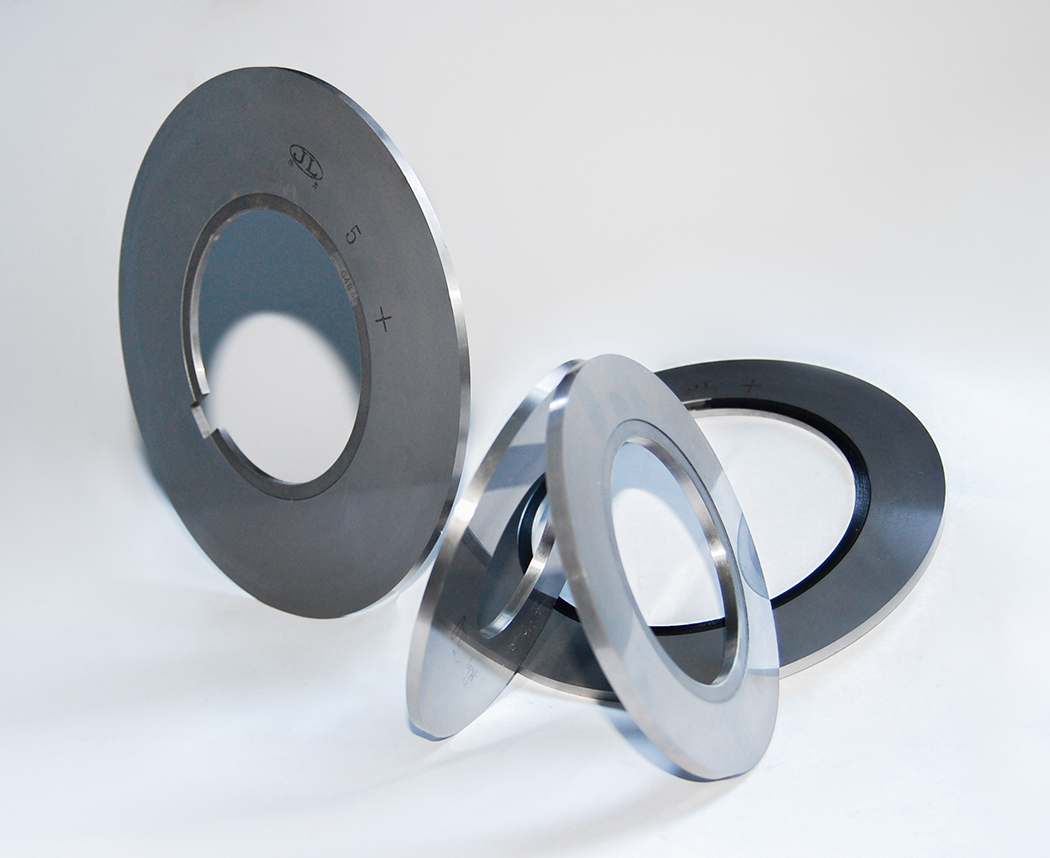
Tungsten steel pipe cutting saw blade (hard alloy circular saw blade) is based on a hard alloy blade head and an alloy steel substrate. It has the characteristics of high temperature resistance, wear resistance, high cutting accuracy, and small burrs on the cutting edge. It is suitable for semi-automatic and fully automatic pipe cutting machines, circular saw machines, and cutting special machines. It is the mainstream tool for precision cutting of metal pipes and is widely used in pipe cutting, profile cutting, prefabrication and other processes, covering multiple sub fields:Sources:www.cssjlgj.com | PublishDate:2026.11.16
1. Stainless steel pipe processing industry
Used for cutting stainless steel round, square, and rectangular tubes such as 304, 316, and 201, including thin-walled decorative tubes, thick walled industrial fluid tubes, and heat exchange tubes. Commonly used for cutting bathroom fittings, stainless steel pipelines, pressure vessel piping, and heat exchanger tube bundles, it can achieve burr free or less burr cutting, reducing subsequent polishing processes; Stainless steel has high viscosity and is easy to work harden. It is commonly used as a cutting tool in this category, and is equipped with a special negative front angle tungsten steel saw blade and cooling lubrication.
2. Processing of carbon steel and low-alloy steel pipes
Cutting of seamless steel pipes, welded black iron pipes, precision bright pipes, hydraulic oil pipes, and oil cylinder blanks. Applied to mechanical structural components, hydraulic fittings, engineering machinery pipe fittings, scaffold steel pipes, and prefabricated pipe cutting; Thick walled steel pipes use coarse toothed saw blades, which balance cutting efficiency and impact resistance, making them suitable for large-scale centralized cutting.
3. Processing of aluminum and aluminum alloy pipes and profiles
Cutting of aluminum round tubes, aluminum square tubes, aluminum alloy extruded profiles, radiator aluminum tubes, and frame profiles. Aluminum has good plasticity and is easy to stick to knives. Generally, tungsten steel saw blades with positive rake angles and large chip slots are used for high-speed cutting, resulting in high cutting smoothness; Applied to new energy racks, photovoltaic bracket aluminum profiles, automotive aluminum alloy pipelines, industrial aluminum frames, and radiator accessories.
4. Copper material processing (copper tube, copper alloy tube)
Cutting of copper pipes, brass pipes, and bronze alloy pipes, including air conditioning refrigeration copper pipes, plumbing copper pipes, conductive copper bars, and instrument small pipes. Copper material is soft and has fast thermal conductivity. The saw blade teeth focus on anti sticking chips and are commonly used in the refrigeration industry, plumbing valves, and electrical components industry.
5. Manufacturing of automotive parts
Cutting of automotive chassis fittings, brake oil pipes, exhaust front-end pipes, seat steel pipes, anti-collision beam pipes, and new energy vehicle water-cooled aluminum pipes. Strict requirements are placed on cutting length tolerance, end face perpendicularity, and burr control, making it suitable for fully automatic pipe cutting production lines and meeting the batch precision cutting needs of automated assembly lines.
6. Hydraulic and Pneumatic Components Industry
Precision hydraulic seamless steel pipe, cylinder barrel, pneumatic valve connecting small pipe, high-pressure oil pipe fixed length cutting. Subsequently, rolling, closing, and threading processing are required. The end face deformation of the tungsten steel saw blade after cutting is small, which can ensure the quality of subsequent pressing and threading processing.
7. Pipeline prefabrication, pressure vessel and HVAC industry
Prefabricated cutting of water supply and drainage, fire protection pipelines, steam pipelines, heat exchange equipment bundles, and pressure vessel connections. Many projects require centralized prefabrication of pipe fittings, using pipe cutting circular saws instead of grinding wheels for cutting, resulting in less dust, smoother cuts, and reduced safety hazards.
8. Steel structure, shelving and guardrail products industry
Cutting of guardrail steel pipes, shelf round and square pipes, fitness equipment pipes, and tent structure pipes. The product has high requirements for appearance, with tungsten steel saw blades that burn black and have fewer burrs after cutting, reducing manual polishing costs and suitable for large-scale pipe product factories.
9. Supporting deep processing of pipes (bending, shrinking, and pre threading processes)
As a fixed length cutting process before bending, expanding, shrinking, tapping, and rolling grooves. The flatness of the incision directly affects the subsequent forming yield. Grinding wheel cutting is prone to end face erosion and deformation, while tungsten steel pipe cutting saw blades are more suitable for deep processing of precision pipes.
10. Processing of special alloy pipes
Cutting difficult to machine materials such as titanium alloy tubes and high-temperature alloy tubes. This type of material has strong work hardening and high cutting temperature. Special tungsten steel blade with wear-resistant and heat-resistant formula is selected for use in aviation and precision instrument small tube cutting scenarios.