


News Center
Recommending Products
Contact: Mr. Jin
Tel: 13901575780
0512-52428686
Contact: Mr. Zha
Tel: 13913639797
0512-52422071
Address: No. 59, Huyi Road, Liantang, Shanghu Town, Changshu City, Jiangsu Province.
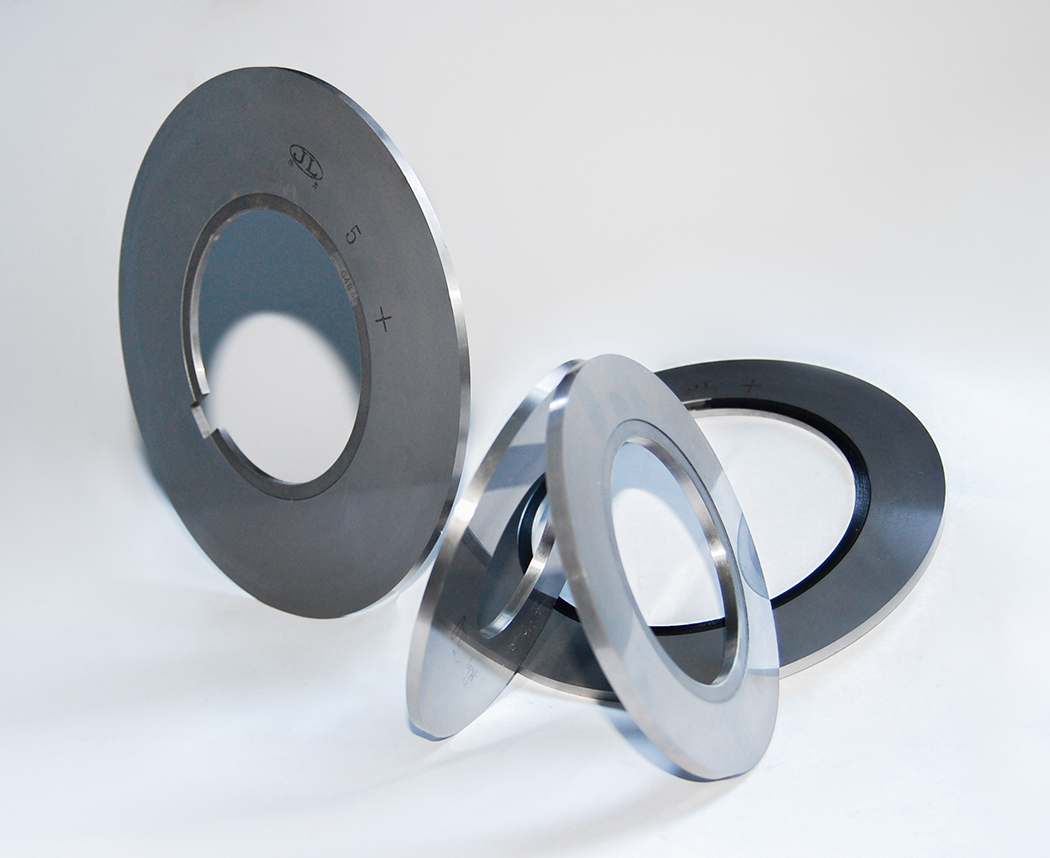
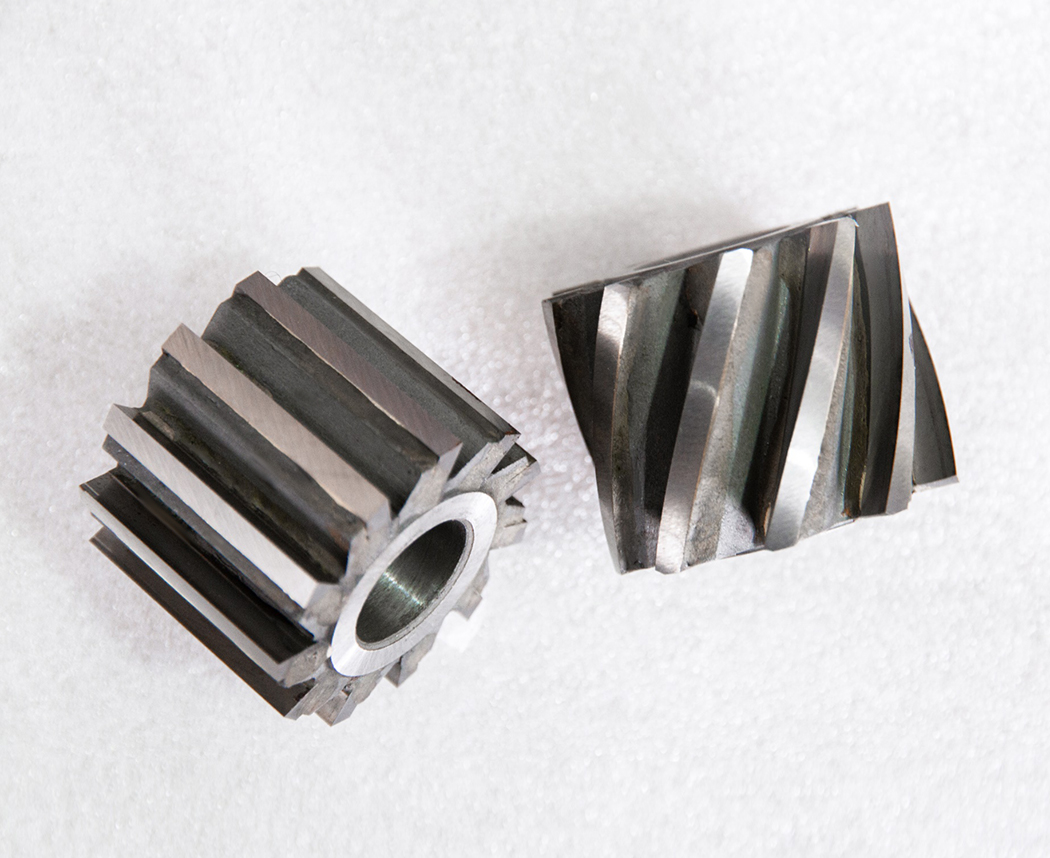
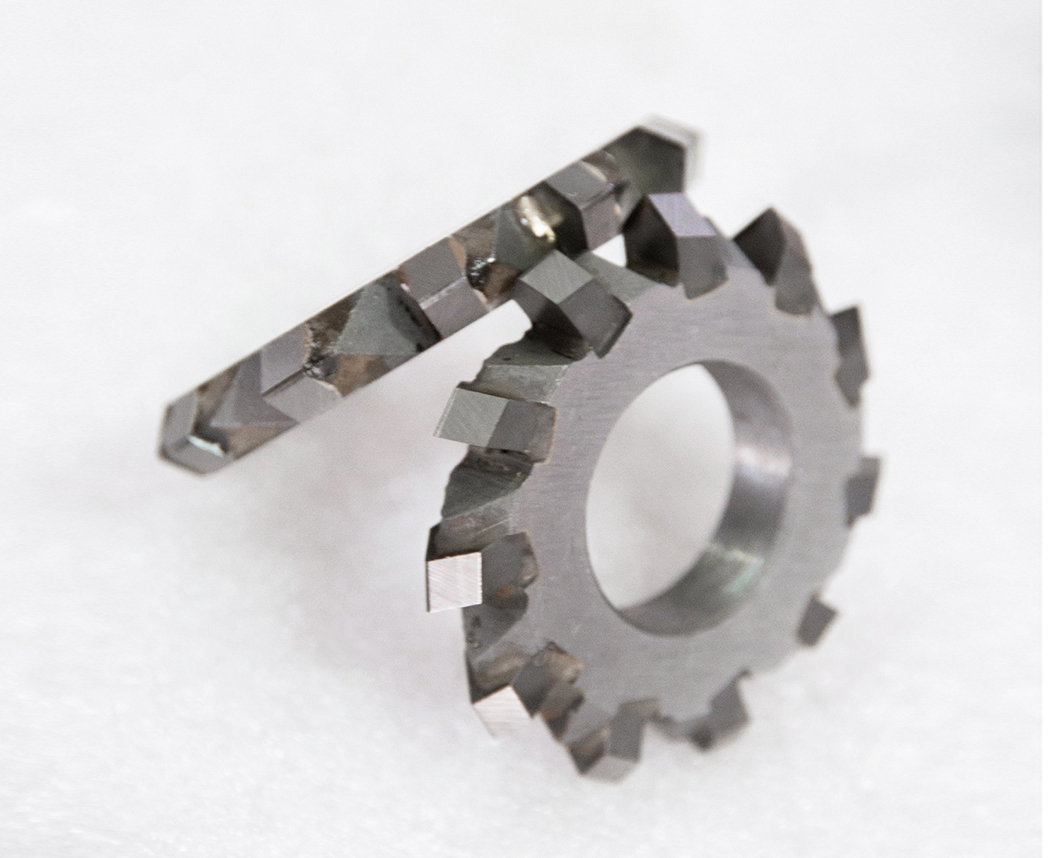
Where are the material characteristics of tungsten steel angle knives reflected
The base material of tungsten steel angle cutter is carbide tungsten based hard alloy, which is formed by powder metallurgy sintering. The material characteristics directly determine the stability of angle cutting edge forming, cutting durability and processing accuracy. The overall core is high hardness, wear resistance, heat resistance, and excellent rigidity, while also considering toughness matching, chemical stability and other indicators. It is suitable for various precision machining scenarios such as chamfering, oblique angle forming, angle milling, etc., which are specifically reflected in the following aspects:Sources:www.cssjlgj.com | PublishDate:2026.10.26
1. High hardness and wear resistance. The material hardness can generally reach HRA89~93, far higher than conventional tool materials such as high-speed steel. Tungsten carbide hard phase can effectively resist cutting friction and wear, and the angle cutting edge is not easily passivated after long-term use. It can stably maintain the preset angle profile, reduce the problems of angle deviation and surface quality degradation caused by cutting edge wear, and extend the service life of the tool.
2. Excellent red hardness (thermal stability). Has good high-temperature retention ability, can still maintain stable hardness under high temperature conditions generated by high-speed cutting, is not prone to softening and plastic deformation, avoids angular edge collapse and contour misalignment due to heat, and supports continuous and high-efficiency cutting operations.
3. High rigidity and deformation resistance. High elastic modulus, small deformation amplitude under stress, and less likely to cause retreat or deviation of the angle blade during processing, ensuring the consistency of chamfer and oblique section angles, suitable for thin-walled parts and high-precision angle forming processing; The adaptation of rigidity and toughness can be achieved by adjusting the proportion of bonding phases and grain size.
4. Resilience adaptation and anti chipping performance. Using cobalt, nickel, and other bonding phases to balance the brittle characteristics of the hard phase; Fine grain grades are suitable for light load and precision machining, and the cutting edge can be sharpened for grinding; Coarse grain and high bonding phase grades have better impact toughness and are suitable for intermittent cutting and impact processing conditions, reducing the risk of angular and sharp position collapse.
5. Chemical stability and anti adhesion ability. The material has good chemical inertness and is not easily prone to affinity reactions with most workpiece materials during the cutting process, which can reduce chip accumulation and material sticking, maintain a smooth cutting edge, ensure the roughness and angular profile accuracy of the machined surface, and have a certain degree of corrosion resistance, suitable for conventional cutting fluid working conditions.
6. The material has customizable characteristics. Different grain sizes and bonding phase contents can be selected according to the processing object, and coating processes can also be used to further improve wear resistance and high temperature resistance; The material is dense and uniform, making it easy to precision grind and form various small angle, large angle, and composite angle blade shapes, meeting the preparation requirements of non-standard angle cutting tools.
7. Inherent limitations of materials (reference for matching). This material has high brittleness and limited ability to resist strong impact overload. Improper clamping, severe impact, and excessive cutting load can still easily cause edge cracking. When selecting the process and setting cutting parameters, it is necessary to reasonably control the material characteristics.